

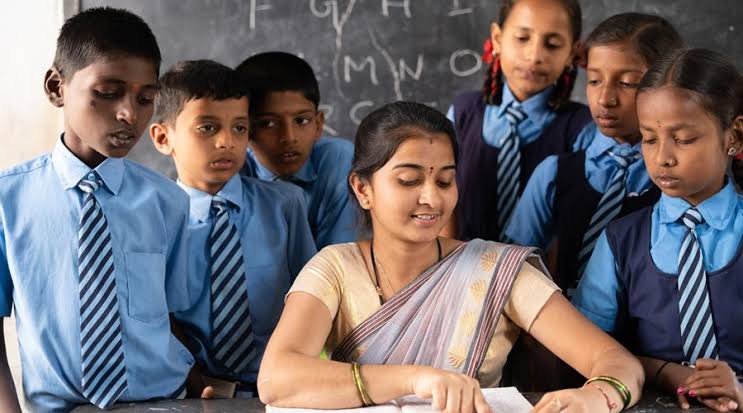
School Teacher Jobs in India – Eligibility, Career Path, and Opportunities
Explore how to become a school teacher in India — qualifications, recruitment process, responsibilities, and career advancement options for educators.
1. Introduction: The Importance of Teachers in Society
Teaching is among the most respected and essential professions. Teachers play a central role in shaping young minds, nurturing curiosity, and building the foundation for lifelong learning. In India, demand for qualified teachers continues to grow with the expansion of government and private educational institutions, as well as the rise of digital learning platforms.
This article provides a detailed and neutral overview of school teacher jobs in India — covering educational qualifications, skills, types of schools, recruitment methods, salaries, and career development opportunities.
2. Types of School Teaching Jobs
Teaching opportunities vary across educational stages and school systems. Here are the main categories:
- Pre-Primary Teachers: Work with children aged 3–6 years, focusing on basic literacy, numeracy, and social skills.
- Primary School Teachers: Teach foundational subjects to students up to Grade 5 or 6.
- Secondary School Teachers: Handle specific subjects such as Mathematics, Science, English, or Social Studies from Grades 6–10.
- Senior Secondary Teachers (PGT): Specialize in teaching higher classes (Grades 11–12) in their area of expertise.
- Special Education Teachers: Support students with learning disabilities or special needs through adapted teaching methods.
Each level requires different qualifications and certifications, which we’ll explore next.
3. Educational Qualifications Required
To become a teacher in India, one must meet the educational and training requirements specified by various educational boards and authorities.
Pre-Primary and Primary Level
- 10+2 qualification with a Nursery Teacher Training (NTT) or Diploma in Early Childhood Education (D.El.Ed.)
- Some schools prefer graduates with B.Ed. or equivalent teaching certification.
Secondary and Senior Secondary Level
- Bachelor’s degree with B.Ed. (Bachelor of Education) — essential for most teaching positions.
- For PGT (Post Graduate Teacher) positions, a master’s degree in the subject plus B.Ed. is required.
- Some CBSE and international schools may require CTET or TET qualification certificates.
Government School Recruitment
For government schools under CBSE, Kendriya Vidyalaya, Navodaya Vidyalaya, or State Boards, candidates must qualify exams such as:
- CTET (Central Teacher Eligibility Test) for central government schools.
- State TET (Teacher Eligibility Test) for state government schools.
- DSSSB, KVS, or NVS recruitment exams for specific teaching posts.
4. Skills Required to Be a Successful Teacher
Teaching demands not only academic knowledge but also interpersonal and management skills. Successful teachers often share these key traits:
- Strong communication and language skills.
- Patience and empathy toward students of different learning levels.
- Organizational skills for lesson planning and classroom management.
- Adaptability to diverse learning environments, including online platforms.
- Ability to evaluate student performance fairly and constructively.
In recent years, digital literacy and familiarity with e-learning tools have become essential as schools integrate technology into education.
5. Government vs. Private School Teaching Jobs
Teaching positions in India are available in both government and private sectors, each with distinct advantages and requirements.
Government Schools
- Offer stable employment, fixed pay scales, and retirement benefits.
- Recruitment through standardized tests like CTET, TET, or state-level commissions.
- Higher job security and structured promotion hierarchy.
Private Schools
- Offer flexibility in hiring and often faster recruitment processes.
- Salary varies by institution reputation and location.
- Opportunities to work with advanced teaching aids, international curricula, and extracurricular programs.
6. The Recruitment Process
The recruitment process for teaching positions typically includes these stages:
- Application: Submit resume, academic documents, and teaching certifications.
- Written Examination: Tests general awareness, subject knowledge, and teaching aptitude (common for government jobs).
- Interview and Demo Class: Schools evaluate teaching style, communication, and classroom engagement.
- Verification: Background checks and document verification before final appointment.
For private institutions, selection may focus more on experience, communication skills, and familiarity with modern teaching techniques rather than entrance exams.
7. Salary and Pay Scales
Teaching salaries in India vary based on school type, location, experience, and grade taught. Below is an indicative range:
- Pre-Primary Teachers: ₹15,000 – ₹25,000/month (private sector)
- Primary Teachers (PRT): ₹25,000 – ₹40,000/month
- TGT (Trained Graduate Teachers): ₹35,000 – ₹60,000/month
- PGT (Post Graduate Teachers): ₹45,000 – ₹75,000/month
- Government Teachers: As per 7th Pay Commission, ranging from ₹40,000 to ₹1,20,000/month with benefits.
Private schools may offer variable salaries depending on their resources and location. International schools often pay more, reflecting global teaching standards.
8. Roles and Responsibilities of a Teacher
While classroom teaching is the core responsibility, modern educators handle multiple roles:
- Preparing and delivering lesson plans aligned with curriculum guidelines.
- Assessing student progress through assignments, tests, and feedback.
- Creating inclusive learning environments that support all students.
- Communicating with parents and colleagues about student development.
- Participating in training programs and academic planning sessions.
9. Technology and Modern Teaching Methods
Digital transformation in education has changed how teachers deliver lessons and interact with students. Modern teaching integrates:
- Smart classrooms with projectors and interactive whiteboards.
- Learning Management Systems (LMS) for assignments and grading.
- Online platforms such as Google Classroom, Zoom, or Microsoft Teams.
- Digital resources for visual and interactive learning.
Teachers who can effectively blend traditional and digital teaching methods remain in high demand across schools and edtech institutions.
10. Career Growth and Advancement
Teaching offers multiple career advancement paths, especially for those with experience and additional qualifications.
- Promotion from PRT to TGT to PGT based on experience and qualifications.
- Opportunities to become Head of Department, Academic Coordinator, or Principal.
- Transition into educational consultancy, curriculum design, or teacher training roles.
- Further education (M.Ed., Ph.D.) opens pathways to higher education and administrative roles.
11. Challenges in the Teaching Profession
While rewarding, teaching also presents challenges such as workload, classroom management, and adapting to curriculum changes. Balancing administrative duties with creative teaching can be demanding. Teachers often need to invest personal time in preparing lessons and grading assignments.
Continuous professional development, peer support, and use of digital tools can help address these challenges effectively.
12. Work-Life Balance and Satisfaction
Many teachers value the profession for its sense of purpose and work-life balance. Regular working hours and school holidays allow time for personal pursuits or further study. However, dedication beyond classroom hours—especially during exams or annual functions—is often required.
13. Future Outlook of Teaching Jobs in India
The National Education Policy (NEP 2020) has emphasized improved teacher training, technology adoption, and continuous professional development. This has expanded opportunities for qualified educators in both traditional schools and online teaching platforms. India’s growing focus on foundational literacy and multilingual education also opens new positions in early education and regional language teaching.
14. Tips for Aspiring Teachers
- Gain hands-on experience through internships or volunteer teaching.
- Focus on communication, patience, and empathy.
- Stay updated with curriculum and education policy changes.
- Participate in teacher development programs and workshops.
- Build a professional resume and apply through verified job portals or school websites.
Conclusion
School teaching remains one of the most impactful and stable professions in India. It offers opportunities to contribute directly to society while maintaining a balanced professional life. With proper qualifications, continuous learning, and adaptability to modern methods, aspiring teachers can build long-term and fulfilling careers. Whether in government, private, or international schools, the role of educators will continue to be essential in shaping future generations.
Disclaimer: This content is for informational purposes only. Qualifications, pay scales, and policies vary by state and institution. Readers should verify details through official educational boards or school recruitment notifications.
