

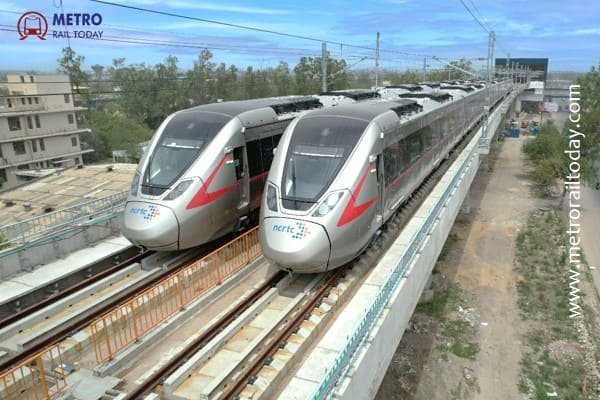
Metro Rail Jobs – Career Opportunities in Urban Transport
Discover rewarding career paths in India’s expanding metro rail networks. Learn about available roles, required qualifications, skills, and long-term growth opportunities in the urban transport sector.
1. Introduction: The Rise of Metro Rail in India
India’s metro rail system has transformed urban transportation in major cities, offering reliable, eco-friendly, and time-efficient travel. With increasing government investment and new projects in cities such as Delhi, Mumbai, Bengaluru, Hyderabad, Pune, and Lucknow, employment opportunities in metro rail have grown significantly.
Metro jobs are known for stability, professional work environments, and long-term benefits. Whether you are an engineer, technician, or administrator, the metro sector offers diverse opportunities in both technical and non-technical roles.
2. Overview of Metro Rail Organizations
Metro systems in India are managed by government-owned corporations or joint ventures between the central and state governments. Major metro corporations include:
- Delhi Metro Rail Corporation (DMRC)
- Mumbai Metro Rail Corporation (MMRC)
- Bangalore Metro Rail Corporation Limited (BMRCL)
- Hyderabad Metro Rail (HMRL)
- Kolkata Metro
- Chennai Metro Rail Limited (CMRL)
- Pune Metro and Lucknow Metro Rail Corporation (LMRC)
These organizations hire thousands of employees across technical, operational, and managerial departments.
3. Why Choose a Career in Metro Rail?
- Stable government or public-sector employment.
- Structured career growth and training programs.
- Opportunities to work in modern infrastructure projects.
- Competitive salary packages and allowances.
- Contribution to sustainable and urban development.
Metro rail careers are ideal for those who value professionalism, technology, and public service.
4. Common Job Categories in Metro Rail
- Operations & Station Management: Station controllers, train operators, and customer service staff.
- Engineering & Maintenance: Civil, electrical, mechanical, and signaling engineers.
- Administration & HR: Personnel management, finance, and public relations roles.
- Security & Safety: Security officers and emergency response staff.
- Project Planning & Design: Architects, surveyors, and design engineers for new routes.
5. Key Technical Positions and Responsibilities
- Train Operator / Loco Pilot: Operates metro trains safely and ensures punctual service.
- Station Controller: Manages train scheduling, passenger flow, and station operations.
- Maintenance Engineer: Oversees servicing and repairs of electrical, signaling, and rolling stock systems.
- Signaling Technician: Maintains communication and train control systems.
- Track Engineer: Monitors rail alignment and track safety standards.
6. Non-Technical and Support Roles
- Customer Service Assistant: Provides passenger assistance and ticketing support.
- Finance Officer: Manages budgeting, accounting, and project funding.
- Human Resources Officer: Handles recruitment, training, and personnel management.
- Administrative Executive: Supports documentation, coordination, and communication tasks.
- Marketing and PR Executive: Promotes metro initiatives and community programs.
7. Eligibility and Educational Qualifications
- Diploma / ITI Holders: Eligible for technician and maintenance roles.
- Graduates in Engineering: Electrical, civil, or mechanical engineers can apply for executive positions.
- Commerce / Management Graduates: Suitable for HR, finance, and administration jobs.
- Postgraduates: Preferred for managerial or policy-making positions.
- 10th / 12th Pass: Eligible for entry-level jobs such as attendants or ticket operators (in some cases).
8. Required Skills for Metro Rail Professionals
- Technical expertise in relevant engineering fields.
- Strong communication and problem-solving abilities.
- Discipline, punctuality, and attention to safety.
- Team coordination and ability to work under pressure.
- Basic computer literacy and documentation skills.
9. How to Apply for Metro Rail Jobs
- Visit the official metro rail corporation websites (e.g., DMRC, CMRL).
- Check the “Careers” or “Recruitment” section for active job notifications.
- Apply online and submit required documents.
- Prepare for written exams, interviews, and medical fitness tests.
Metro job recruitment is usually conducted directly by metro corporations or through trusted agencies following transparent selection processes.
10. Recruitment Process and Exams
Recruitment typically involves:
- Written test on general aptitude, reasoning, and technical knowledge.
- Personal interview and group discussions (for higher posts).
- Medical fitness and background verification.
For engineering and technical roles, exams may include syllabus components similar to those in PSU or railway examinations.
11. Average Salaries and Pay Scales
Salaries in metro rail jobs vary based on role, qualification, and experience. Approximate monthly pay ranges include:
- Technician / Junior Engineer: ₹25,000 – ₹40,000/month.
- Station Controller / Train Operator: ₹35,000 – ₹60,000/month.
- Assistant Engineer / Executive: ₹50,000 – ₹80,000/month.
- Manager / Senior Engineer: ₹70,000 – ₹1,20,000/month.
- Administrative and HR Officers: ₹40,000 – ₹75,000/month.
Additional allowances such as travel benefits, dearness allowance (DA), and performance bonuses are often included.
12. Benefits of Working in Metro Rail
- Government-linked job stability.
- Health insurance and provident fund benefits.
- Paid leaves and retirement plans.
- Training and career advancement programs.
- Safe and professional working conditions.
13. Work Environment and Shifts
Metro operations run nearly 18 hours a day, with staff working in shifts. Technical teams handle maintenance during non-operational hours, while customer service and train operation roles follow rotational schedules. Safety, punctuality, and teamwork are essential in every department.
14. Career Growth and Promotions
Metro rail corporations follow structured hierarchies for career progression. Employees can move from entry-level technical positions to supervisory and managerial roles through experience and training. Performance, discipline, and technical certifications often influence promotions.
15. Training Programs
New recruits undergo specialized training covering technical systems, customer interaction, safety protocols, and emergency handling. Many corporations operate their own training academies to ensure uniform skill development. Continuous learning is encouraged to match evolving technologies in automation and signaling.
16. Challenges in Metro Rail Jobs
- Shift-based work schedules.
- Responsibility for passenger safety and punctuality.
- Adherence to strict operational standards.
- Pressure during emergencies or service disruptions.
Despite these challenges, metro employees enjoy professional respect, job security, and a chance to contribute to urban development.
17. Women in Metro Rail Careers
Women professionals play key roles in metro systems — from train operation and engineering to management and customer service. Many metro networks actively promote gender diversity through safe workplaces and equal opportunity policies. Delhi and Chennai metros have successfully employed women drivers and station managers, setting examples for other cities.
18. Personality Traits for Success
- Professional discipline and integrity.
- Strong teamwork and communication skills.
- Technical curiosity and continuous learning.
- Calmness during pressure or emergencies.
- Commitment to punctuality and public service.
19. Work Locations and Future Expansion
Metro networks are expanding rapidly beyond major metros. New projects are under construction in cities such as Nagpur, Surat, Kanpur, Patna, and Ahmedabad. Each new route brings fresh employment opportunities for engineers, operators, and administrative staff.
20. Future of Metro Employment in India
India’s metro expansion is expected to generate thousands of new jobs over the next decade. Integration with electric mobility, AI-based traffic systems, and digital ticketing will create demand for tech-savvy professionals. Those entering the sector today can look forward to a modern, sustainable, and well-structured career path.
21. Tips for Aspiring Candidates
- Regularly check official metro websites for recruitment notices.
- Prepare for aptitude and technical tests through previous-year papers.
- Gain certifications in railway signaling or safety systems for added advantage.
- Focus on fitness and communication skills.
- Stay updated on new metro projects and government policies.
22. Conclusion
Metro rail jobs in India offer stable employment, good compensation, and the chance to be part of the nation’s urban transformation. From engineering and operations to administration and management, the sector welcomes diverse talents committed to public service. As new metro systems continue to connect cities, career prospects in this field are set to grow stronger and more rewarding in the years ahead.
Disclaimer: This article is for informational purposes only. Recruitment policies, eligibility, and salary scales may differ across metro corporations. Applicants should verify details from official websites or recruitment notifications before applying.
