

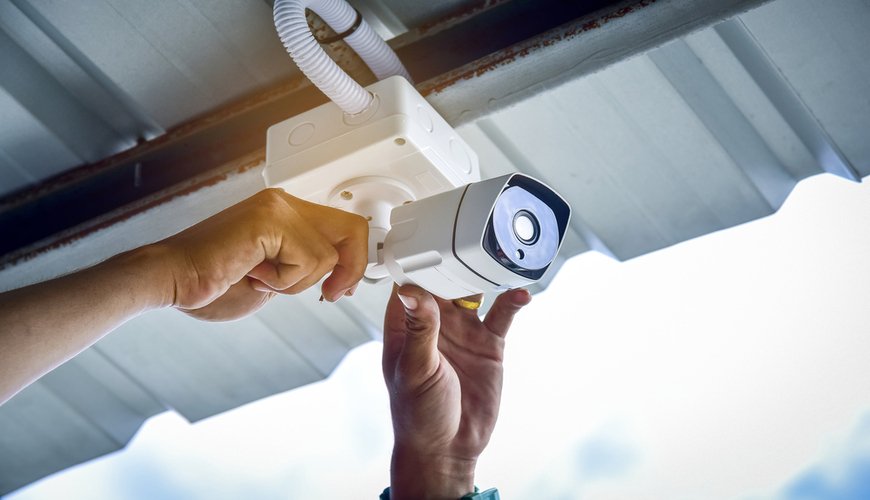
CCTV Installation Technician Jobs – Growing Demand in India
Discover the growing demand for CCTV installation technician jobs in India. Learn about skills, training, certification, and career opportunities in the security and surveillance industry.
1. Introduction: Security Technology and Job Growth
In recent years, India has witnessed a massive increase in the use of surveillance systems across public, commercial, and residential spaces. From schools and offices to metro stations and housing complexes, CCTV cameras are now essential for safety and monitoring. This growth has created a strong and steady demand for skilled CCTV installation technicians — professionals responsible for setting up and maintaining these systems.
With government projects like Smart Cities Mission and Digital India encouraging technology adoption, career opportunities in this field are expanding rapidly.
2. Who Is a CCTV Installation Technician?
A CCTV installation technician is a trained professional who installs, configures, and maintains surveillance systems such as security cameras, digital video recorders (DVRs), and network video recorders (NVRs). They ensure that cameras operate efficiently, record high-quality footage, and cover the required areas without blind spots.
In addition to installation, technicians handle wiring, troubleshooting, and customer support related to the system’s performance.
3. Responsibilities of a CCTV Technician
- Installing CCTV cameras and supporting equipment at residential or commercial sites.
- Running network cables and connecting power supplies.
- Configuring DVR/NVR systems and setting up remote viewing options.
- Testing equipment to ensure image clarity and stability.
- Performing regular maintenance and updates.
- Educating clients on system usage and basic troubleshooting.
- Following safety and electrical standards during installation.
4. Skills Required
- Basic knowledge of electrical systems and wiring.
- Understanding of networking and IP configuration.
- Proficiency in using hand tools and testing equipment.
- Ability to read circuit diagrams and installation layouts.
- Attention to detail and problem-solving ability.
- Physical fitness for climbing, lifting, and on-site work.
- Customer communication and service orientation.
5. Educational and Technical Requirements
- Minimum qualification: 10th or 12th pass.
- ITI or Polytechnic diploma in Electrical, Electronics, or Computer Hardware preferred.
- Vocational training in CCTV installation or networking.
- Short-term skill programs under NSDC (National Skill Development Corporation).
- Certification in security systems or IP camera installation from recognized institutes.
Formal education helps build a foundation, but hands-on training and field experience are equally important.
6. Training and Certification Programs
Many institutes and companies offer structured training for CCTV technicians. These include both theoretical and practical modules on:
- Camera types and lens selection.
- DVR and NVR configuration.
- Networking and IP setup for remote viewing.
- Maintenance and troubleshooting techniques.
- Safety and installation best practices.
Organizations like NSDC, ESSCI (Electronics Sector Skills Council of India), and private academies like Jetking or NIIT provide recognized certifications that improve job prospects.
7. Tools and Equipment Used
- Drill machines and screwdrivers for installation.
- Multimeters and testers for power and connectivity checks.
- Crimping tools for network cables.
- Ladders, safety belts, and helmets for site safety.
- Smartphones or laptops for configuration and remote access testing.
8. Work Environment
CCTV technicians work in diverse environments, including residential complexes, retail stores, schools, banks, offices, and government buildings. The job often requires travel between client locations and occasional work in outdoor or elevated spaces. Safety, punctuality, and professionalism are vital for success in this role.
9. Salary and Earnings
Earnings depend on location, skill level, and project type. Average monthly salaries in India (as of 2025):
- Apprentice / Trainee: ₹8,000 – ₹12,000/month.
- Skilled Technician: ₹20,000 – ₹35,000/month.
- Senior Technician / Team Leader: ₹35,000 – ₹50,000/month.
- Independent Contractor: ₹50,000+/month (depending on volume of installations).
Freelancers and business owners can earn more by managing multiple projects and annual maintenance contracts (AMCs).
10. Job Opportunities in India
- Security equipment companies and distributors.
- System integration firms.
- Facilities management and IT infrastructure companies.
- Government and Smart City projects.
- Private maintenance contracts for residential and corporate clients.
Metropolitan cities like Delhi, Mumbai, Bengaluru, and Hyderabad have particularly strong demand for certified technicians.
11. Career Growth Path
Career progression for CCTV technicians can be both vertical and entrepreneurial:
- Apprentice → Technician → Senior Technician → Project Supervisor → Security Systems Engineer.
- Many professionals start their own installation firms or AMC service businesses after gaining experience.
Specialization in networking, access control, or advanced surveillance systems further enhances earning potential.
12. Future Prospects in the Security Industry
India’s security and surveillance market is projected to grow at over 10% annually. The integration of AI-based cameras, remote monitoring, and cloud storage will create more technical roles in the coming years. Technicians familiar with smart home devices and IoT systems will enjoy greater career stability and income growth.
13. Work-Life Balance
Technicians usually work 8–10 hours a day, with additional hours during large installations or urgent maintenance calls. Independent technicians enjoy flexible schedules. To maintain work-life balance, professionals should plan projects efficiently and adhere to safety and rest guidelines.
14. Women in Technical Roles
Though traditionally male-dominated, the electronics and surveillance industry is now seeing more women technicians, supported by Skill India and NSDC programs. Inclusive workplaces and safe field conditions are helping promote gender diversity in the sector.
15. Safety Standards and Practices
- Always use safety gear such as gloves and helmets.
- Turn off power before connecting or testing circuits.
- Use insulated tools for electrical work.
- Follow ladder and height safety protocols.
- Comply with data protection and privacy guidelines when installing surveillance systems.
16. Government Initiatives Supporting Employment
Government schemes like Skill India Mission and Pradhan Mantri Kaushal Vikas Yojana (PMKVY) offer affordable training programs for CCTV technicians. The Electronics Sector Skills Council of India (ESSCI) provides nationally recognized certifications, helping youth find jobs across security and IT sectors.
17. Entrepreneurship Opportunities
Many skilled technicians eventually start their own CCTV installation and maintenance businesses. With modest investment in tools and networking, they can serve local homes, schools, and offices. Offering annual maintenance contracts (AMCs) ensures a steady income stream and long-term customer relationships.
18. Opportunities Abroad
Indian CCTV technicians are valued for their technical skills and adaptability. Countries in the Middle East, Africa, and Southeast Asia frequently hire certified technicians for infrastructure projects, malls, and industrial setups. International certifications in networking and security systems can open doors to overseas employment.
19. Challenges in the Profession
- Outdoor and height-based installations in extreme weather.
- Time-sensitive troubleshooting during emergencies.
- Continuous learning to keep up with changing technology.
Proper planning, safety training, and modern equipment help overcome these challenges effectively.
20. Personality Traits for Success
- Technical curiosity and attention to detail.
- Reliability and punctuality.
- Strong communication and teamwork.
- Adaptability to field conditions.
- Honesty and professional ethics.
21. Emerging Technologies in CCTV Systems
As surveillance systems evolve, technicians need to stay updated on:
- AI-enabled video analytics and facial recognition.
- Cloud-based storage and remote access systems.
- Wireless and IP-based camera systems.
- Integration with alarm and smart home systems.
Learning these technologies enhances career growth and employability in both domestic and international markets.
22. Tips for Aspiring CCTV Technicians
- Enroll in a recognized training program to gain technical confidence.
- Develop basic networking and electrical skills.
- Maintain a toolkit and ensure safety gear at all times.
- Focus on customer satisfaction for repeat business.
- Stay updated on new camera technologies and software updates.
23. Conclusion
CCTV installation technician jobs in India provide strong career stability and income potential for those interested in electronics and fieldwork. With the country’s growing emphasis on digital security and surveillance, certified professionals are in high demand across both private and government sectors. By acquiring the right technical training, maintaining professionalism, and embracing new technology, individuals can build a long-term, successful career in India’s expanding security industry.
Disclaimer: This article is for informational purposes only. Job details, salaries, and training programs may vary by region and employer. Candidates should verify official course and recruitment details before applying.
