

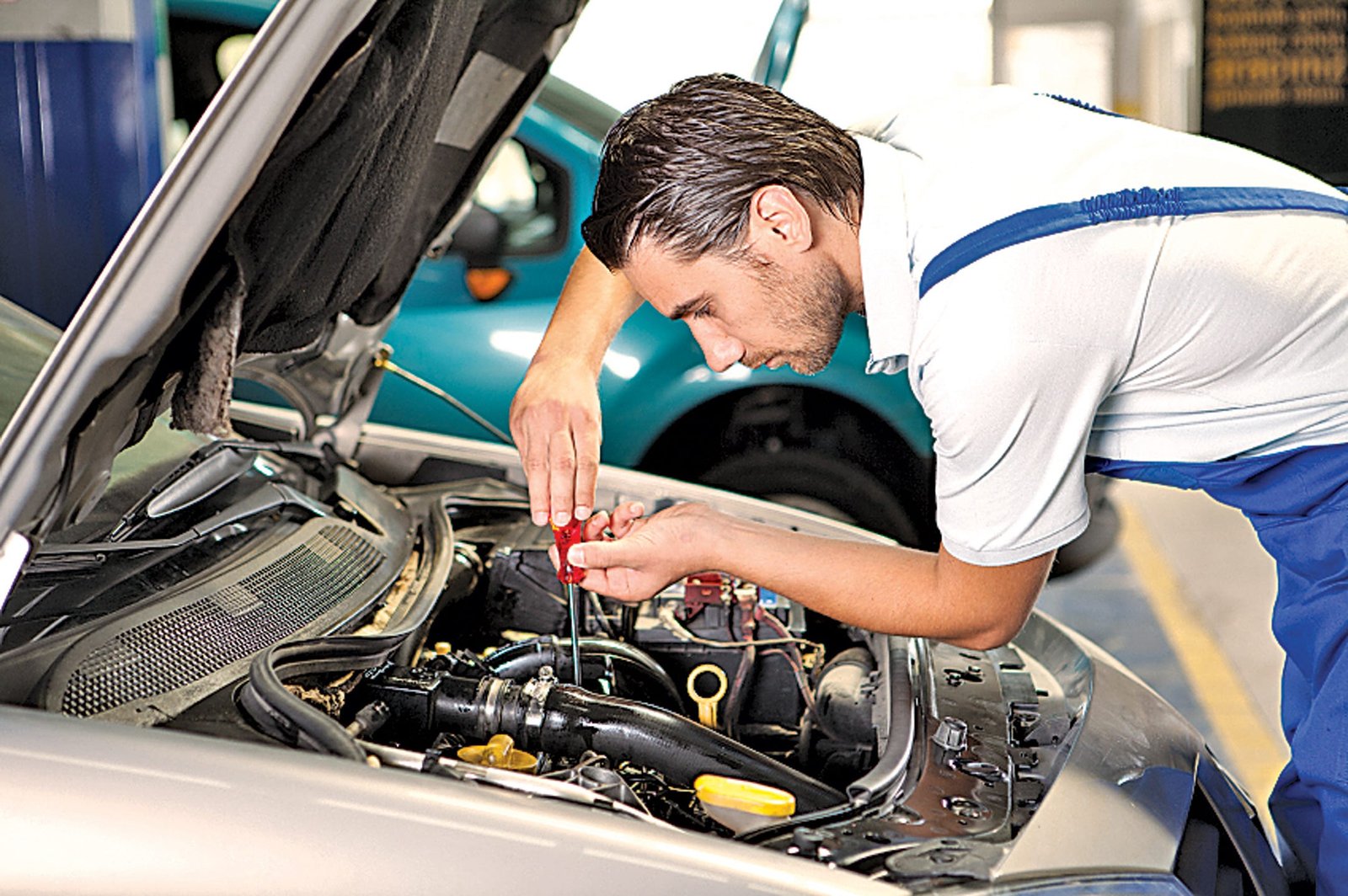
Car Mechanic Jobs in India – Skills, Training, Salary, and Career Growth
Learn how to start and grow a career as a car mechanic in India. Understand the skills, training, certifications, and job opportunities available in the automotive repair industry.
1. Introduction: The Role of Car Mechanics in the Automotive Industry
The automotive industry is one of the largest employers in India, and car mechanics play a vital role in keeping vehicles safe and operational. From basic maintenance to complex diagnostics, mechanics ensure that vehicles function efficiently and meet safety standards. With the growth of electric vehicles (EVs) and advanced automotive systems, the demand for trained car mechanics is higher than ever.
This blog explores what it means to work as a car mechanic in India — including required skills, qualifications, career pathways, salary expectations, and long-term prospects in this evolving field.
2. Understanding the Job of a Car Mechanic
A car mechanic, also called an automotive technician, is responsible for inspecting, diagnosing, repairing, and maintaining vehicles. Mechanics work on a wide range of vehicle systems, such as engines, transmissions, brakes, suspension, and electrical systems.
Mechanics may specialize in specific areas, such as body repair, electrical diagnostics, or servicing electric vehicles. Many work in workshops, car dealerships, service centers, or start their own garages.
3. Key Responsibilities of a Car Mechanic
Although job duties can vary depending on experience and specialization, most car mechanics perform the following tasks:
- Diagnosing mechanical or electrical issues using diagnostic tools.
- Performing routine maintenance — oil changes, filter replacements, tire rotation, and brake inspection.
- Repairing or replacing faulty vehicle parts and assemblies.
- Ensuring vehicles meet safety and emission standards.
- Maintaining records of work performed and parts used.
- Communicating with customers about vehicle issues and repair estimates.
- Staying updated with new automotive technologies and repair methods.
4. Skills Required for Car Mechanic Jobs
Technical and soft skills are both important in this profession. Mechanics should be comfortable using tools, understanding engines, and interacting with customers.
- Strong mechanical aptitude and understanding of vehicle systems.
- Problem-solving and diagnostic skills.
- Manual dexterity and attention to detail.
- Knowledge of safety procedures and tool handling.
- Ability to read service manuals and technical diagrams.
- Good communication and teamwork skills.
- Adaptability to new technologies, including EV and hybrid systems.
With increasing computerization of modern cars, knowledge of electronic control systems and software-based diagnostics is becoming essential.
5. Educational Qualifications and Training
There are multiple educational routes to becoming a car mechanic in India, depending on your career goals.
Basic Qualifications
- Minimum education: Class 10 (SSC) or equivalent.
- ITI (Industrial Training Institute) certification in Motor Mechanic Vehicle (MMV) trade — a common and recognized qualification.
- Diploma in Automobile Engineering or Mechanical Engineering (3-year course after Class 10 or 12).
Advanced and Specialized Training
- Apprenticeship programs with automotive manufacturers (e.g., Maruti Suzuki, Tata Motors, Hyundai).
- OEM-certified courses such as Maruti Suzuki Skill Development, Toyota Technical Education Program (T-TEP), and others.
- EV maintenance and high-voltage safety courses for electric vehicle service specialization.
6. Tools and Equipment Knowledge
Mechanics must be familiar with a wide range of tools used for diagnostics, assembly, and repair. These include:
- Hand tools: spanners, screwdrivers, pliers, sockets, torque wrenches.
- Power tools: drills, impact wrenches, and polishers.
- Diagnostic scanners for reading engine error codes (OBD-II tools).
- Hydraulic lifts and alignment machines.
- Battery testers and electrical multimeters.
- Software for vehicle diagnostics and service record management.
As the industry evolves, mechanics must continuously learn about the latest diagnostic systems used in modern vehicles.
7. Types of Employers for Car Mechanics
Car mechanics can find employment in diverse settings depending on their expertise and experience level.
- Authorized Service Centers: Work under specific car brands like Tata, Hyundai, Maruti Suzuki, Mahindra, or Honda.
- Independent Workshops: Multi-brand repair shops offering general repair and maintenance.
- Dealerships: Provide maintenance services for vehicles under warranty and support customer care.
- Fleet Services: Companies managing taxis, buses, or delivery fleets hire in-house mechanics.
- Self-Employed Mechanics: Many experienced technicians open their own garages or service outlets.
8. Work Environment and Schedule
Car mechanics generally work in service bays, garages, or workshops equipped with lifting machines and diagnostic systems. The job may require physical effort, long hours during busy periods, and adherence to safety guidelines.
Typical work hours are 9 a.m. to 6 p.m., but overtime is common when customer demand increases. Experienced mechanics may supervise junior technicians or trainees in larger workshops.
9. Salary and Pay Scales
The income of a car mechanic varies based on experience, certification, and location. Below are general estimates:
- Entry-level (0–2 years): ₹10,000 – ₹18,000/month.
- Mid-level (3–6 years): ₹20,000 – ₹35,000/month.
- Senior mechanics or supervisors: ₹40,000 – ₹60,000/month.
- Specialized technicians (diagnostics, EV): ₹50,000 – ₹80,000/month.
Independent garage owners can earn higher income depending on customer volume and specialization. Some manufacturers also offer incentive-based pay for service productivity and customer satisfaction.
10. Certification and Licensing
While a license is not mandatory for working as a mechanic in India, certified training can improve employment prospects. Recognized institutions include:
- ITI Motor Mechanic Vehicle (NCVT/SCVT recognized).
- Automotive Skills Development Council (ASDC) certification.
- OEM skill programs such as those by Tata Motors, Toyota, and Hyundai.
- Government skill development programs under PMKVY (Pradhan Mantri Kaushal Vikas Yojana).
Certification ensures that technicians are trained according to safety and industry standards, which builds trust with employers and clients.
11. Electric Vehicle (EV) Mechanics – The Next Generation of Technicians
As India’s EV market grows, there is increasing demand for mechanics who understand electric drivetrains, battery systems, and high-voltage components. Specialized training in EV maintenance and safety will soon become essential for automotive professionals.
- Knowledge of battery management systems (BMS) and regenerative braking.
- High-voltage system isolation and safety precautions.
- Charging system diagnostics and inverter repair.
- Familiarity with EV diagnostic tools and software updates.
Mechanics who upgrade their skills to include EV servicing will have greater job security and career opportunities as the sector expands.
12. Career Growth and Opportunities
Car mechanics can advance their careers through continuous learning and hands-on experience. Growth opportunities include:
- Workshop Supervisor or Service Manager roles in larger dealerships.
- Technical trainer positions at automotive companies or institutes.
- Independent garage ownership and entrepreneurship.
- Specialization in advanced vehicle systems or hybrid/electric vehicles.
- Fleet maintenance management for logistics or transport companies.
With years of experience, mechanics often move into roles that combine technical expertise with managerial responsibilities.
13. Challenges in the Profession
Working as a car mechanic can be physically demanding and requires constant skill upgrades. Common challenges include:
- Exposure to heat, oil, and chemicals.
- Physical strain due to lifting and bending.
- Keeping up with fast-evolving automotive technology.
- Managing customer expectations and timelines.
However, proper training, safety gear, and work discipline can minimize these challenges and ensure a sustainable career.
14. How to Find Car Mechanic Jobs in India
Mechanics can find work through multiple channels, depending on skill level and specialization:
- Direct applications to service centers and dealerships.
- Online job portals such as Naukri, Indeed, and Shine.
- Skill India and government apprenticeship programs.
- Networking with local workshops and automotive communities.
- Social media groups dedicated to automotive jobs and updates.
Having a well-documented resume, proof of training, and references from previous employers can help in securing better opportunities.
15. Tips for Aspiring Car Mechanics
- Start early with hands-on training, even through internships or apprenticeships.
- Invest in quality tools and safety gear.
- Stay updated with modern car technologies and EV trends.
- Develop customer communication and service skills.
- Take short-term refresher courses to improve technical expertise.
- Maintain professionalism and integrity in all repairs and estimates.
Conclusion
Car mechanic jobs in India are evolving from traditional manual roles to advanced technical careers. With growing vehicle ownership, rising demand for electric mobility, and expansion of service networks, skilled mechanics will remain essential to the automotive ecosystem. Those who pursue continuous training, understand new technologies, and uphold professionalism can build a rewarding and sustainable career in this field.
Disclaimer: This content is for informational purposes only. Salary ranges, training programs, and job availability may vary based on location and employer. Readers should verify program details and job listings through official or verified channels before applying.
