

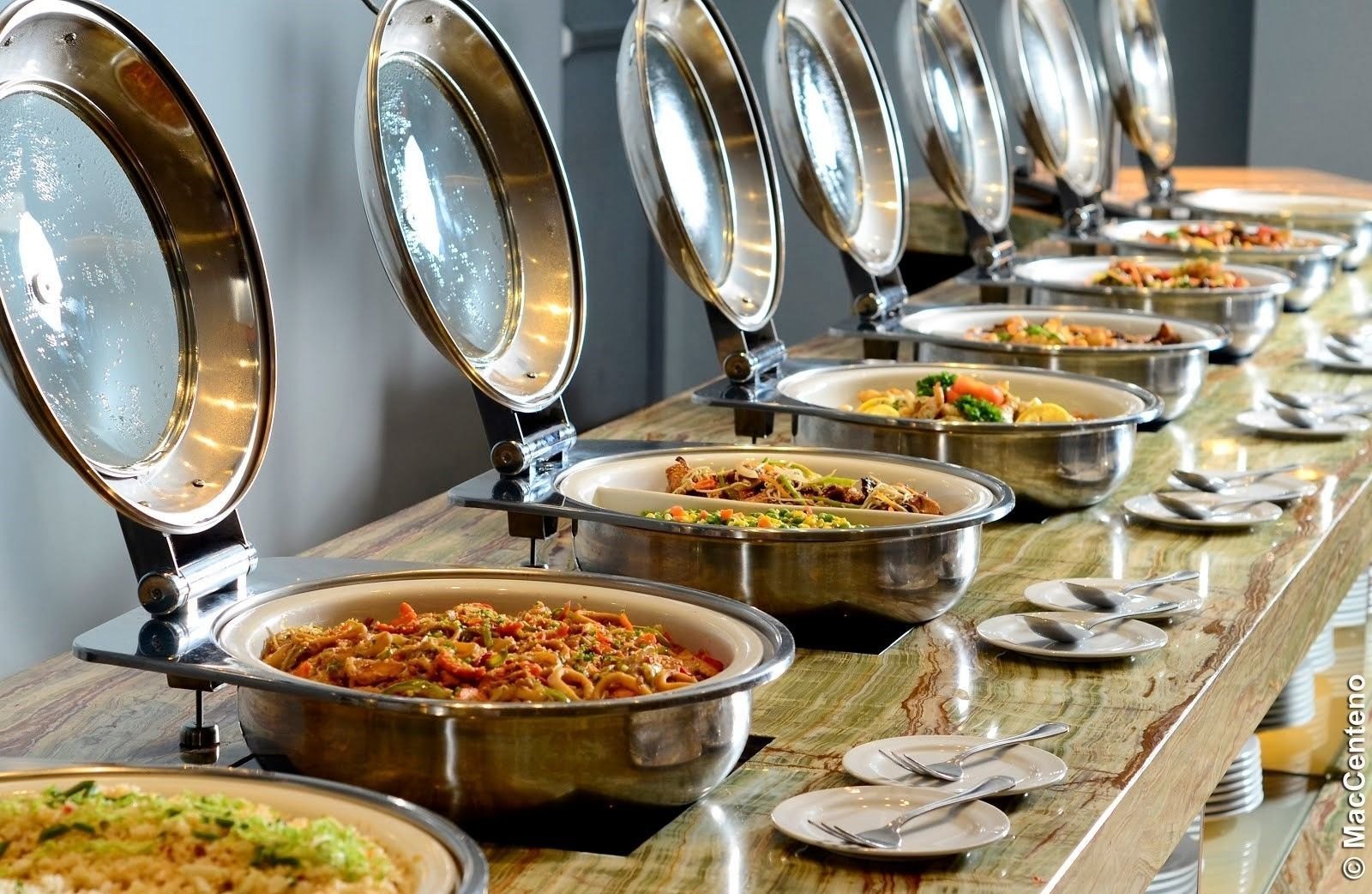
Catering Service Jobs – Event-Based Opportunities in India
Learn about catering service jobs in India — discover key roles, training, income potential, and how event-based work offers steady opportunities in the growing hospitality industry.
1. Introduction: The Expanding Catering Industry in India
India’s vibrant culture of weddings, festivals, and corporate events has made catering one of the most dynamic and employment-rich industries in the country. From large-scale banquets to small private gatherings, catering service professionals are responsible for ensuring smooth food preparation, presentation, and service at events.
With the growth of event management companies, luxury hotels, and food delivery networks, catering jobs now offer both short-term and long-term employment opportunities, especially for skilled workers seeking flexible careers.
2. What Are Catering Service Jobs?
Catering jobs involve providing food and beverage services for events such as weddings, parties, conferences, and festivals. Professionals in this field handle everything from menu planning and food preparation to serving guests and managing logistics.
Depending on the size and type of event, catering work can be part-time, contract-based, or full-time under hotels and event service providers.
3. Key Roles in Catering Services
- Chef / Cook: Prepares dishes according to the event menu.
- Server / Waiter: Serves food and beverages to guests efficiently.
- Steward / Helper: Assists in food setup, cleaning, and logistics.
- Event Coordinator: Manages client requirements and catering staff schedules.
- Logistics Staff: Handles transportation, equipment, and setup.
- Supervisor / Manager: Oversees operations and ensures smooth service delivery.
4. Responsibilities in Catering Jobs
- Preparing and serving food as per event requirements.
- Maintaining hygiene and cleanliness at service areas.
- Arranging tables, chairs, and food displays.
- Managing kitchen and storage supplies.
- Coordinating with event planners and venue staff.
- Handling customer requests and ensuring guest satisfaction.
5. Skills Required for Catering Jobs
- Teamwork and coordination.
- Basic knowledge of food preparation and serving etiquette.
- Physical stamina for long working hours.
- Customer service and polite communication.
- Time management and multitasking.
- Attention to hygiene and safety standards.
6. Educational and Training Requirements
Most catering jobs focus on skills and experience rather than formal education. However, professional courses can improve employability and income potential. Typical requirements include:
- Minimum qualification: 10th or 12th pass.
- Certificate or Diploma in Catering, Food & Beverage Service, or Hotel Management.
- On-the-job training or apprenticeship with catering companies.
- Short-term courses from NSDC or vocational centers in hospitality management.
7. Work Environment and Schedule
Catering professionals work in varied settings — banquet halls, outdoor venues, hotels, and private homes. Work schedules are event-driven and can include weekends, evenings, and holidays. While shifts can be long and physically demanding, the work environment is fast-paced and rewarding for those who enjoy hospitality.
8. Salary and Earnings in India
Income depends on job type, event size, and employer. Approximate earnings (as of 2025):
- Helper / Steward: ₹10,000 – ₹15,000/month.
- Waiter / Server: ₹15,000 – ₹25,000/month.
- Chef / Cook: ₹25,000 – ₹40,000/month.
- Event Supervisor: ₹35,000 – ₹60,000/month.
- Freelance Caterer / Contractor: ₹50,000+ per event (depending on scale).
Event-based jobs may also include daily wages ranging between ₹600 to ₹1,500 per day, plus food and travel allowances.
9. Job Opportunities in India
- Hotels and banquet halls.
- Independent catering companies.
- Wedding and event planners.
- Corporate offices and canteens.
- Food production and delivery services.
Major cities such as Delhi, Mumbai, Bengaluru, and Jaipur have high demand for catering professionals due to year-round social and corporate events.
10. Types of Catering Work
- Wedding Catering: Large-scale food service for weddings and receptions.
- Corporate Catering: Business meetings, conferences, and company events.
- Institutional Catering: Schools, hospitals, and corporate canteens.
- Outdoor Catering: Events held at open venues or private properties.
Each type of catering requires different skills and planning to ensure efficient service delivery.
11. Customer Service and Professionalism
Customer satisfaction is key to success in catering. Staff must be polite, attentive, and well-groomed. Understanding client preferences, dietary restrictions, and cultural expectations ensures smooth operations and repeat business.
12. Hygiene and Safety Practices
Cleanliness and food safety are vital in catering. Professionals should follow:
- Proper handwashing and personal hygiene.
- Clean and sanitized utensils and serving dishes.
- Safe food storage and temperature control.
- Use of gloves and hairnets during food handling.
- Waste management and cleanliness after events.
13. Personality Traits for Success
- Positive attitude and adaptability.
- Good memory and focus on detail.
- Physical fitness for long shifts.
- Team spirit and cooperation.
- Professional presentation and reliability.
14. Training and Certification Programs
- Diploma in Catering & Hospitality Management (1–2 years).
- Certificate in Food Production or Beverage Service (6–12 months).
- Skill India short courses under Tourism & Hospitality Skill Council (THSC).
- Internships in hotels or catering companies for hands-on experience.
Certification adds credibility and opens doors to better-paying jobs in established companies.
15. Career Growth Path
- Steward → Waiter → Team Leader → Supervisor → Catering Manager.
Experienced professionals can progress to managerial or business ownership roles with time and practical knowledge.
16. Entrepreneurship in Catering
Many skilled chefs and supervisors start their own catering ventures after gaining experience. Small-scale catering businesses serving local events can grow rapidly through client referrals. Entrepreneurs can specialize in niche segments such as vegetarian catering, corporate lunches, or themed buffets.
17. Opportunities Abroad
Indian catering professionals are in high demand in the Middle East, Africa, and Southeast Asia. International hotels and cruise liners often hire trained staff for large-scale operations. Experience in Indian cuisine and event organization enhances overseas opportunities.
18. Seasonal Nature and Flexibility
Catering jobs are often seasonal, peaking during wedding months, festivals, and holidays. This provides flexibility for part-time workers or students looking for temporary income. Many catering professionals also balance freelance work across different events and locations.
19. Women in the Catering Industry
Women are increasingly entering catering roles, especially in cooking, supervision, and management. Safe workplaces and skill development programs have encouraged female participation in the hospitality and food service sectors.
20. Government and Skill Development Support
The Indian government supports the catering and hospitality workforce through initiatives like Skill India, NSDC, and the Tourism & Hospitality Skill Council (THSC). These programs provide subsidized training, certification, and job placement for youth across India.
21. Challenges in Catering Jobs
- Long working hours and physical strain.
- High expectations during large events.
- Coordination with multiple teams and vendors.
Good planning, teamwork, and time management help catering professionals overcome these challenges effectively.
22. Work-Life Balance
Since most catering work happens during weekends or nights, maintaining a balance between personal and professional life requires careful scheduling. Event-based flexibility allows individuals to choose projects that fit their lifestyle.
23. Future of Catering Jobs in India
With India’s event management and food service industries expanding rapidly, catering jobs will continue to grow. Demand for professional and hygienic food service has increased due to rising customer expectations. Future trends include eco-friendly catering, digital booking platforms, and gourmet event menus — offering new career opportunities for skilled workers.
24. Tips for Aspiring Catering Professionals
- Develop time management and teamwork skills.
- Take formal training in hospitality or food service.
- Learn basic cooking and serving techniques.
- Focus on cleanliness and presentation.
- Network with event planners and hotels for freelance work.
25. Conclusion
Catering service jobs in India offer exciting opportunities for individuals who enjoy teamwork, hospitality, and dynamic work environments. Whether working for an event company or running an independent business, skilled catering professionals can build stable and respected careers in the food service industry. With India’s thriving celebration culture and rising demand for professional service, catering continues to be a rewarding path for those with dedication and passion.
Disclaimer: This article is for informational purposes only. Job availability, salary, and training details may vary by employer and location. Candidates should verify details through official job portals or catering institutes before applying.
