

Car Mechanic Jobs – Skills, Salary, and Future Prospects
Learn how to become a successful car mechanic in India. Discover the essential skills, training requirements, salary ranges, and career growth opportunities in the fast-evolving automotive industry.
1. Introduction: The Importance of Car Mechanics in Modern India
The automobile industry in India is one of the largest in the world, with millions of vehicles on the road. As car ownership increases, so does the demand for skilled car mechanics who ensure vehicles remain safe, efficient, and roadworthy. Mechanics form the backbone of the after-sales and maintenance ecosystem that keeps India’s transport sector running smoothly.
Car mechanic jobs not only offer steady income but also open paths to entrepreneurship and specialization as vehicle technology evolves.
2. What Does a Car Mechanic Do?
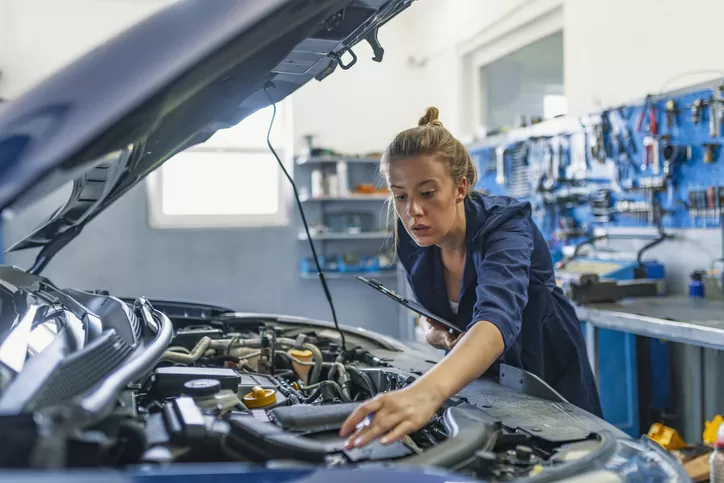
A car mechanic inspects, repairs, and maintains vehicles to ensure optimal performance. The job involves diagnosing issues, replacing defective parts, and performing preventive maintenance. Modern mechanics also work with electronic diagnostic systems and computer-controlled engines.
Their work covers everything from basic oil changes to complex engine overhauls, electrical repairs, and emissions testing.
3. Types of Car Mechanics
- General Mechanic: Handles routine repairs and maintenance like oil changes, brake servicing, and tire replacement.
- Engine Specialist: Focuses on diagnosing and repairing internal combustion engines.
- Auto Electrician: Works on wiring, lighting systems, and car electronics.
- Transmission Mechanic: Specializes in repairing manual and automatic gearboxes.
- Diagnostic Technician: Uses advanced tools to identify complex mechanical or electronic faults.
- Body Repair Technician: Repairs car body damage after accidents or corrosion.
4. Essential Skills for Car Mechanics
- Strong understanding of vehicle systems and components.
- Mechanical aptitude and manual dexterity.
- Ability to use diagnostic tools and software.
- Problem-solving and analytical thinking.
- Attention to detail and commitment to quality.
- Customer service and communication skills.
- Physical stamina and time management.
5. Educational Requirements
Becoming a car mechanic doesn’t require a college degree, but technical training is crucial. Common pathways include:
- Minimum qualification: 10th or 12th pass.
- Completion of ITI (Industrial Training Institute) course in Motor Mechanic or Automotive Repair (2 years).
- Diploma in Automobile Engineering (for supervisory roles).
- Short-term certification programs offered by auto manufacturers or training centers.
Institutes like Ashok Leyland Training Academy, Maruti Suzuki Skill Development Centers, and NSDC-approved centers offer industry-recognized training programs.
6. On-the-Job Training and Apprenticeships
Practical experience is essential for mastering mechanical work. Most mechanics begin as apprentices under senior technicians or at authorized service centers. Apprenticeships help in:
- Understanding real-world vehicle problems.
- Learning the use of diagnostic tools.
- Developing customer-handling skills.
- Building confidence in performing repairs independently.
7. Tools and Equipment Used
- Wrenches, screwdrivers, and sockets.
- Hydraulic lifts and jacks.
- Diagnostic scanners (OBD-II tools).
- Battery testers and multimeters.
- Air compressors and impact guns.
- Torque wrenches and specialized service tools.
Modern workshops also use computerized systems to monitor engine performance, air-fuel ratios, and emissions levels.
8. Work Environment
Mechanics work in service centers, garages, manufacturing plants, or dealerships. The job may involve standing for long hours and handling heavy parts. With proper safety gear and modern equipment, however, workshops have become cleaner, better organized, and more technology-driven.
9. Salary and Income Potential
Earnings for car mechanics depend on skill level, experience, and place of employment. Approximate monthly salaries in India (as of 2025):
- Apprentice / Trainee: ₹8,000 – ₹12,000/month.
- Junior Mechanic: ₹15,000 – ₹25,000/month.
- Senior Mechanic: ₹30,000 – ₹50,000/month.
- Workshop Supervisor: ₹50,000 – ₹80,000/month.
- Self-Employed Garage Owner: ₹60,000+/month (depending on clients and scale).
Mechanics working with luxury car brands or authorized dealers often earn higher wages and performance-based incentives.
10. Work Schedule and Balance
Mechanics typically work 8–10 hours a day, with peak activity during weekends or festive seasons when vehicle servicing demand rises. Self-employed mechanics enjoy flexible hours, while service center employees follow fixed schedules. Proper rest and ergonomic practices help avoid fatigue during long shifts.
11. Career Growth Opportunities
Car mechanic jobs provide a clear path for career advancement. With skill development and experience, professionals can move up the ranks:
- Apprentice → Technician → Senior Mechanic → Workshop Supervisor → Service Manager.
Mechanics can also specialize in diagnostics, air-conditioning, or hybrid/electric vehicles for higher-paying roles.
12. Entrepreneurship Opportunities
Many experienced mechanics open their own garages, auto service centers, or spare parts shops. With the growth of app-based services, some professionals also offer doorstep car repair and maintenance. Government schemes like PMEGP (Prime Minister’s Employment Generation Programme) support small-scale entrepreneurs in technical trades like automotive repair.
13. Women in the Automotive Trade
Although male-dominated, the automotive repair industry is slowly welcoming women mechanics through training programs. Initiatives like “Women on Wheels” and NSDC’s Skill India Mission are encouraging gender diversity by providing safe learning and work environments.
14. Challenges in the Profession
- Exposure to noise, oil, and dust.
- Physically demanding tasks.
- Continuous need for upskilling due to evolving technology.
- Customer pressure during urgent repairs.
With safety measures and updated training, these challenges can be effectively managed.
15. Certification and Skill Development
Certification helps mechanics gain credibility and better job opportunities. Common certifications include:
- ITI Certificate in Motor Mechanic Vehicle (MMV).
- NSDC Skill Certification under the Automotive Skill Development Council (ASDC).
- Manufacturer certifications (e.g., Maruti Suzuki, Hyundai, Tata Motors).
These credentials increase employment prospects both in India and abroad.
16. Employment Sectors
- Authorized car dealerships and service centers.
- Independent garages and repair workshops.
- Automotive manufacturing plants.
- Vehicle testing and inspection centers.
- Fleet management companies and transport agencies.
17. Opportunities Abroad
Indian car mechanics are highly valued in the Middle East, Africa, and Southeast Asia. Certified technicians can secure jobs abroad with attractive salaries and accommodation benefits. Having a valid passport, experience certificate, and trade license improves overseas placement chances.
18. Tools for the Future – EV & Hybrid Vehicles
The global shift toward electric vehicles (EVs) is creating a new demand for technicians skilled in battery systems, electronic controls, and high-voltage safety. Mechanics who upgrade their skills in EV technology can look forward to excellent future prospects and higher earnings.
19. Future of Car Mechanic Jobs in India
India’s automobile service industry is projected to grow significantly with the rise of electric mobility, connected cars, and automation. While traditional repair skills remain essential, the future will also require knowledge of digital diagnostics, smart tools, and sustainable practices.
20. Personality Traits for Success
- Curiosity about technology and machinery.
- Discipline and punctuality.
- Patience and attention to detail.
- Problem-solving mindset.
- Good interpersonal communication.
21. Government and Skill Development Programs
Government initiatives like Skill India, NSDC, and ASDC promote specialized automotive training. State ITIs also offer subsidized courses with job placement support. Many programs include hands-on exposure to hybrid and EV technologies.
22. Tips for Aspiring Car Mechanics
- Gain practical experience early through workshops or internships.
- Stay updated on automotive technology and new models.
- Invest in quality tools and diagnostic equipment.
- Maintain professionalism and customer transparency.
- Focus on safety and accuracy in every repair.
23. Conclusion
Car mechanic jobs in India provide stable and rewarding career opportunities for individuals passionate about automobiles and technology. With formal training, practical experience, and continuous skill upgrades, mechanics can achieve financial independence and professional recognition. As the automotive industry evolves toward electric and smart mobility, skilled technicians will remain indispensable in shaping the future of transportation.
Disclaimer: This article is for informational purposes only. Job availability, salary, and requirements may vary by employer and region. Interested candidates should verify details from official automotive training institutes or company websites before applying.
