

DJ Operator Jobs in India – Skills, Training, and Career Opportunities
Learn how to start and grow your career as a DJ operator in India — covering job roles, essential equipment, salary expectations, and opportunities in the entertainment industry.
1. Introduction: The Art and Profession of DJing
DJ operators, commonly known as disc jockeys, play an essential role in India’s entertainment industry. Whether at weddings, clubs, festivals, or private events, DJs set the mood and keep audiences engaged with curated music. What was once a passion-driven art form has now evolved into a recognized profession that combines creativity, technology, and sound engineering skills.
This article provides a detailed overview of DJ operator jobs in India, explaining the skills required, training options, career growth, salary range, and emerging opportunities in both live and digital entertainment sectors.
2. Who Is a DJ Operator?
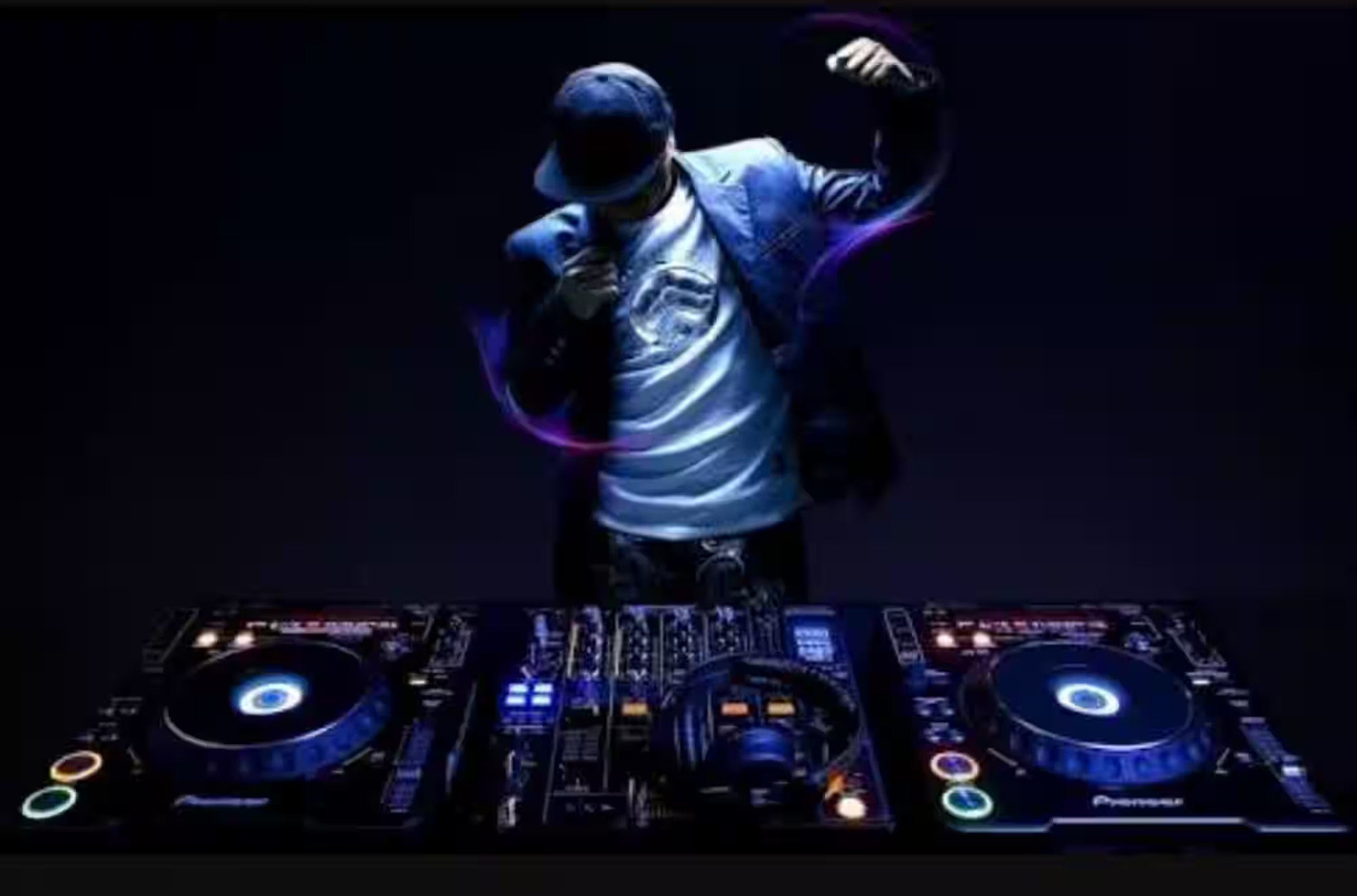
A DJ operator manages and plays music using professional audio equipment such as mixers, turntables, and digital controllers. Their role is to mix tracks, adjust sound levels, and maintain the flow of energy at an event. DJs may perform independently or work with event companies, clubs, radio stations, or production houses.
Beyond playing music, professional DJs also manage sound systems, lighting coordination, and audience engagement to create a memorable atmosphere.
3. Types of DJ Operator Jobs
- Club DJ: Performs at nightclubs, lounges, and pubs, playing genres such as EDM, hip-hop, or Bollywood remixes.
- Wedding DJ: Plays music at wedding receptions, sangeet events, and private celebrations.
- Event / Mobile DJ: Travels to venues for birthdays, college fests, or corporate events with portable equipment.
- Radio DJ (RJ): Curates playlists and interacts with listeners on radio channels.
- Music Producer / Remix Artist: Specializes in creating remixes and original tracks using software tools.
- Festival / Concert DJ: Performs at large-scale public events, collaborating with other artists or live bands.
4. Skills Required for DJ Operator Jobs
- Good sense of rhythm, timing, and musical genres.
- Ability to read audience reactions and adjust playlists accordingly.
- Technical knowledge of audio equipment and mixing software.
- Creativity in blending tracks and adding effects.
- Confidence and stage presence for public performance.
- Basic troubleshooting skills for audio and lighting systems.
- Patience, discipline, and adaptability in varied environments.
Being a DJ requires both artistic intuition and technical expertise. Successful operators keep learning new styles and tools as technology evolves.
5. Educational Qualifications and Training
Formal education is not mandatory, but professional training adds significant value. Aspiring DJs can enroll in specialized academies or workshops to master sound technology, music theory, and performance techniques.
- Basic Education: Minimum 10th or 12th pass; higher education in music or audio engineering is beneficial.
- DJ Training Courses: Offered by institutes like ILM Academy, Submerge, and The True School of Music.
- Online Tutorials: Platforms such as Skillshare, Udemy, and YouTube provide accessible learning resources.
- Internships: Gaining experience under senior DJs or event companies builds real-world confidence.
6. Equipment Used by DJs
Modern DJ setups combine hardware and software for professional performance. Common tools include:
- DJ Controllers and Mixers (e.g., Pioneer, Denon, Numark).
- Turntables and CDJs for manual control.
- Headphones and microphones for cueing and announcements.
- Speakers, amplifiers, and sound processors.
- Software like Serato, Virtual DJ, Traktor, or Rekordbox.
- Lighting systems and special effects (optional for event DJs).
Operators must also understand how to connect, calibrate, and maintain their equipment to avoid technical issues during performances.
7. Job Opportunities for DJ Operators in India
India’s music and event scene offers multiple employment avenues for skilled DJs:
- Clubs, bars, and lounges.
- Wedding planners and event management firms.
- Radio stations and digital music platforms.
- Hotels, resorts, and cruise entertainment.
- Independent freelance projects and private parties.
- Music production studios and online streaming channels.
8. Work Environment and Schedule
DJ operators often work in energetic, high-volume environments. Performances typically occur during evenings, weekends, or special events. Schedules can be irregular, depending on client bookings or event timelines. While the work atmosphere is lively, managing equipment and crowd energy requires focus and stamina.
9. Salary and Earnings
DJ income varies based on skill, experience, and event type. Approximate ranges in India include:
- Beginner DJs: ₹8,000–₹20,000 per event or ₹25,000–₹40,000 per month.
- Experienced DJs: ₹50,000–₹1,00,000 per month (clubs, weddings, corporate events).
- Top-tier DJs / Producers: ₹1,50,000+ per show depending on reputation and demand.
Freelancers often earn more during festive or wedding seasons. Tips, travel allowances, and equipment rental charges may also add to total income.
10. Responsibilities of a DJ Operator
- Setting up and testing sound equipment before the event.
- Selecting and organizing playlists to match the audience mood.
- Mixing tracks smoothly and maintaining consistent sound levels.
- Coordinating with event managers, lighting technicians, and hosts.
- Handling client song requests within the event’s theme.
- Ensuring safe operation of electrical and sound systems.
- Storing and maintaining equipment after use.
11. Freelancing and Self-Employment
Many DJs work independently, offering customized services for private parties, weddings, and college fests. Freelancing allows flexibility but also requires self-marketing and business management skills.
- Create an online presence through social media and event listings.
- Build a portfolio of live recordings and client testimonials.
- Invest in portable equipment for on-site gigs.
- Set transparent pricing and maintain punctuality for bookings.
12. Legal and Ethical Considerations
Professional DJs must comply with copyright and licensing rules when using music tracks. Playing copyrighted material without appropriate permission at public events can lead to penalties. Ethical practices include crediting artists, avoiding pirated software, and respecting client privacy.
13. Career Growth and Opportunities
- Resident DJ at clubs or lounges.
- Touring DJ for event management companies.
- Music Producer or Sound Engineer.
- Trainer or instructor at DJ academies.
- Owner of a private DJ service or entertainment business.
With time and experience, DJs can expand into event curation, podcasting, or digital streaming platforms.
14. Industry Trends in India
India’s DJ industry is growing alongside music festivals and nightlife culture. Genres like EDM, techno, and Bollywood remixes dominate club playlists. Weddings and destination events continue to be major revenue drivers for DJs, while online live-streaming platforms are opening new digital opportunities.
15. Challenges in DJ Operator Jobs
- Irregular working hours and travel requirements.
- High initial investment in quality equipment.
- Need for continuous learning due to evolving music trends.
- Noise-level restrictions in certain localities.
Despite these challenges, many DJs find the work creatively satisfying and financially rewarding over time.
16. Personality Traits of Successful DJs
- Creativity and love for music.
- Confidence in performing before crowds.
- Calmness under technical pressure.
- Adaptability to diverse audiences and event types.
- Professionalism and punctuality.
17. Marketing and Promotion for DJs
To attract clients, DJs must actively market their services. Effective methods include:
- Social media pages showcasing live clips and mixes.
- Networking with event planners and wedding coordinators.
- Maintaining a professional website with contact information.
- Participating in local contests or music festivals.
18. Future of DJing in India
The demand for DJs is expected to increase as the event industry expands and nightlife regulations become more organized. Virtual events and hybrid celebrations have also opened new avenues for live streaming performances. The future will emphasize sound design, digital mixing, and multimedia integration in performances.
19. Tips for Aspiring DJ Operators
- Practice regularly and master different genres of music.
- Invest in quality headphones and controllers.
- Record your mixes and share them online to build an audience.
- Keep learning — attend workshops or follow established DJs.
- Maintain professional behavior and punctuality at all events.
20. Conclusion
DJ operator jobs in India combine creativity, entertainment, and technical skill. Whether performing at weddings, clubs, or corporate events, DJs play a central role in enhancing celebrations and cultural experiences. With training, discipline, and dedication, aspiring DJs can turn their passion for music into a rewarding career in India’s fast-growing entertainment sector.
Disclaimer: This article is for informational purposes only. Earnings, opportunities, and working conditions may vary based on experience, location, and employer. Readers should verify event licenses, training programs, and employment details through official sources before applying.
