

Barber Jobs in India – Skills, Training, and Career Opportunities
Explore the career of a professional barber in India — required skills, certifications, income potential, and growth opportunities in the modern grooming industry.
1. Introduction: The Modern Barbering Profession
Barbering, one of the oldest professions, has evolved into a respected and creative career in modern India. Today’s barbers are not just haircutters — they are grooming professionals offering services that include styling, beard care, and personalized consultations. With the rise of men’s grooming and salon culture, skilled barbers are in high demand across cities and towns.
This guide provides a neutral overview of barber jobs in India, covering skill requirements, training programs, work environments, earning potential, and career development opportunities.
2. Who Is a Barber?
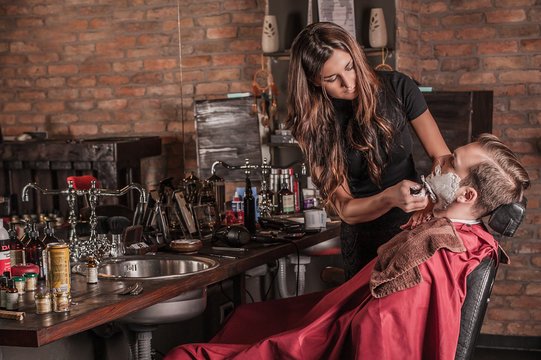
A barber specializes in haircuts, shaving, beard trimming, and men’s grooming. In modern settings, barbers also provide styling advice, hair treatments, and basic skincare services. Their work requires precision, attention to hygiene, and good communication with clients.
Barbers can work in salons, spas, hotels, or operate independently through small shops or home-service businesses.
3. Types of Barbering Jobs
The barbering profession includes several specialized roles depending on experience and environment:
- Salon Barber: Works in branded or local salons offering haircuts, styling, and grooming services.
- Freelance Barber: Provides mobile or home services to clients on-demand.
- Barber Shop Owner: Manages operations, customer service, and business growth.
- Stylist / Grooming Specialist: Trained in advanced haircutting and styling for fashion shoots or events.
- Trainer or Educator: Teaches at barbering schools or vocational centers.
4. Skills Required to Become a Barber
- Technical haircutting and shaving skills.
- Knowledge of face shapes, hair textures, and suitable styles.
- Use of grooming tools like scissors, razors, clippers, and trimmers.
- Customer communication and listening skills.
- Attention to hygiene, safety, and sanitation standards.
- Time management and multitasking during busy hours.
- Creative eye for new styles and trends.
Beyond technical expertise, professionalism, punctuality, and neat personal presentation are equally important.
5. Educational Qualifications and Training
There is no strict academic requirement to become a barber in India, but proper training and certification improve credibility. Common routes include:
- Basic Education: Minimum 10th-grade pass.
- Vocational Training: Barbering or hairdressing courses from ITIs or private academies.
- Professional Courses: 3–12 month programs offered by institutes such as L’Oréal Academy, VLCC Institute, or Habibs Academy.
- Apprenticeship: Practical learning under an experienced barber for 6 months to 1 year.
Training covers haircutting, shaving, coloring, hygiene practices, and customer service.
6. Tools and Equipment Used by Barbers
Barbers rely on both traditional and modern tools for precision work:
- Hair-cutting scissors, razors, and combs.
- Electric clippers and trimmers.
- Brushes, towels, and sanitizing equipment.
- Hair dryers and styling products like gels and sprays.
- Chairs with adjustable height and mirrors for comfort and efficiency.
Maintaining clean and sterilized tools is a vital part of professional ethics in this trade.
7. Work Environment
Barbers typically work in salons, spas, or independent shops. The environment is customer-facing and dynamic, requiring a balance of creativity and speed. Good lighting, clean surroundings, and organized workstations help maintain customer satisfaction and safety standards.
8. Job Opportunities in India
Barbers can find employment in:
- Men’s salons and unisex salons (local and branded chains).
- Luxury spas and hotel grooming centers.
- Film, television, and modeling industries.
- Cruise liners or overseas hospitality companies.
- Freelance or self-employed setups in residential areas.
Urban centers like Mumbai, Delhi, Bengaluru, and Hyderabad offer particularly strong demand due to a large customer base and lifestyle-driven markets.
9. Salary and Income Range
Income depends on location, skill level, and customer base. Approximate salary ranges are:
- Entry-Level Barber: ₹10,000–₹18,000/month.
- Experienced Barber / Senior Stylist: ₹20,000–₹40,000/month.
- Salon Manager / Owner: ₹50,000–₹1,00,000+ per month.
Freelancers may earn per client or appointment, often receiving tips and commissions for grooming products sold.
10. Career Growth and Advancement
Barbering offers clear upward mobility with skill improvement and experience. Growth paths include:
- Junior Barber → Senior Barber → Salon Supervisor → Manager.
- Independent shop owner or franchise partner.
- Trainer at barbering schools or academies.
- Specialist in hair styling, beard design, or color treatment.
11. Importance of Hygiene and Safety
Personal hygiene and safety are central to this profession. Barbers must disinfect tools, wear clean uniforms, and follow infection-control protocols to protect both clients and themselves. Using disposable items and sanitizing stations helps maintain health standards and client trust.
12. Customer Relationship and Communication
Barbers build long-term client relationships through good service, politeness, and consultation skills. Understanding client preferences, suggesting styles, and maintaining consistency ensure customer loyalty and referrals.
13. Self-Employment and Business Setup
Many barbers in India eventually start their own shops. Key considerations include:
- Location selection with good foot traffic.
- Investment in quality equipment and branding.
- Licensing and GST registration if applicable.
- Hiring assistants and maintaining service standards.
Entrepreneurial barbers can expand into multiple outlets or offer home-service grooming via online booking platforms.
14. Popular Salon Chains and Employers
- Jawed Habib Hair & Beauty.
- Truefitt & Hill.
- Looks Salon.
- Enrich Salon.
- Local neighborhood and franchise salons.
15. Modern Trends in Men’s Grooming
The Indian grooming market is shifting towards premium and personalized experiences. Modern trends include:
- Beard styling and shaping as fashion statements.
- Hair color and texture treatments for men.
- Use of organic grooming products.
- Online appointment systems and loyalty memberships.
Barbers who stay updated with such trends attract higher-paying clients and brand collaborations.
16. Challenges in the Barbering Profession
- Long working hours, especially during weekends or festivals.
- Standing for extended periods.
- Maintaining consistent service quality with multiple clients.
- Adapting to changing style trends and tools.
With discipline and continuous learning, these challenges become manageable and rewarding over time.
17. Tips for Aspiring Barbers
- Start as an apprentice to gain real-world experience.
- Attend professional workshops on haircutting and styling.
- Stay updated on grooming trends via social media and trade magazines.
- Focus on customer service — repeat clients sustain income.
- Invest in personal presentation and hygiene.
18. Work Schedule and Environment
Barbers typically work six days a week, with weekends being busiest. Standard timings are 10 a.m. to 8 p.m. Work environments can range from compact neighborhood shops to modern, air-conditioned salons in malls.
19. Women in Barbering
Although traditionally male-dominated, barbering is now seeing more women entering the field, especially in unisex salons. Their participation enhances diversity and introduces new perspectives in styling and client service.
20. Future of Barber Jobs in India
With rising grooming awareness, increased disposable income, and social-media influence, barbering has transformed into a skilled and stable profession. Demand for certified barbers, particularly in urban and semi-urban areas, continues to rise. Digital booking apps and brand partnerships are further creating organized opportunities.
21. Key Takeaways
- Barbering combines artistry, customer service, and precision.
- Professional training increases earning potential.
- Good hygiene and interpersonal skills are non-negotiable.
- Opportunities exist in salons, spas, and self-employment.
Conclusion
Barbering in India has evolved from a traditional trade to a modern, professional career with consistent demand. Whether working in a salon or running an independent shop, skilled barbers can achieve stable income and personal growth. With creativity, continuous learning, and dedication to service quality, this profession offers both financial security and artistic satisfaction.
Disclaimer: This article is for informational purposes only. Salary ranges and opportunities may vary depending on region and employer. Readers should verify training programs and job openings through official or accredited sources before applying.
